
Football boots Mizuno
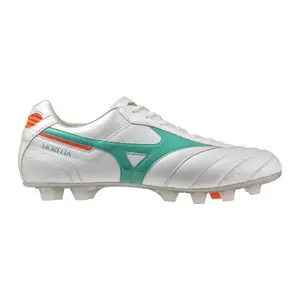
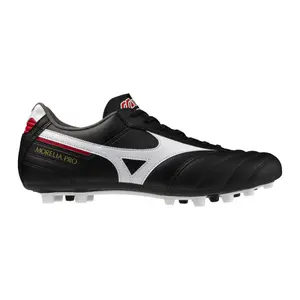
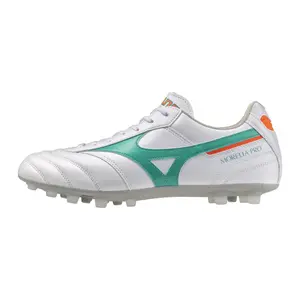


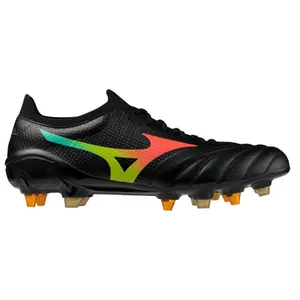
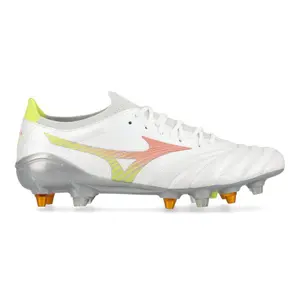
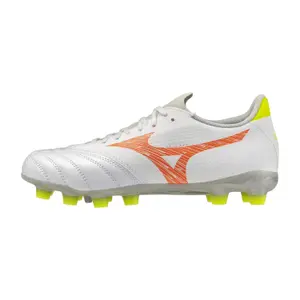
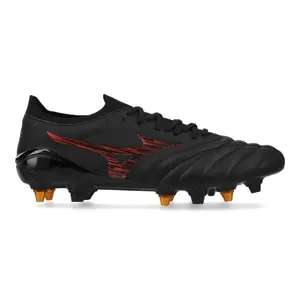

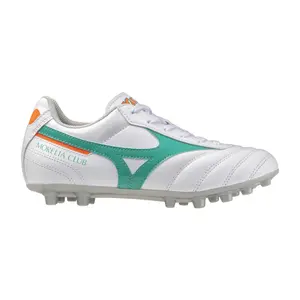
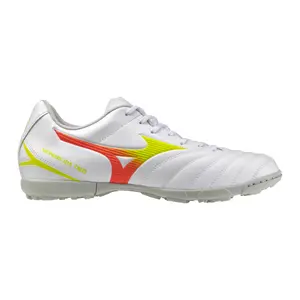
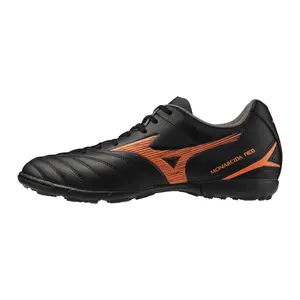

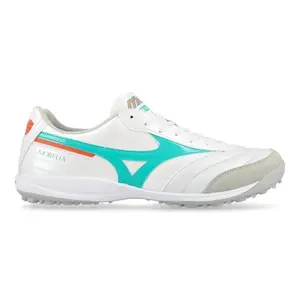

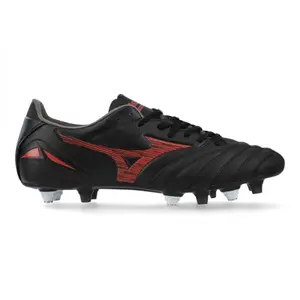


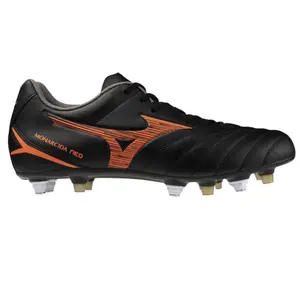
Football boots Mizuno bring together models from the Japanese brand, known for its leather and careful craftsmanship: the Morelia with its kangaroo leather upper, the lightweight Morelia Neo, the Alpha designed for speed, with soles for natural grass, synthetic or hard surfaces. A brand favoured by players who prioritize fit and ball feel above all.
A Japanese brand dedicated to leather and artisanal know-how.
Mizuno, from Osaka to football fields
Mizuno was established in 1906 in Osaka, when Rihachi Mizuno and his brother Rizo opened a shop selling Western goods, before making their own baseball equipment. The brand ventured into football in the mid-1980s with a unique approach: to design a shoe directly linked to Brazil, the ultimate football land. This effort, started in 1983 with Musashi Mizushima, a Japanese player trained in Brazil, led to the Morelia. Since then, Mizuno has developed a reputation as a specialist in football boots, with high-end models still assembled in Japan, sought after by enthusiasts.
Morelia and Morelia Neo: kangaroo leather
Launched in 1985, the Morelia owes its reputation to its upper made of kangaroo leather, which is thinner and more supple than calf leather of equal strength: it forms to the foot in just a few sessions and provides a very natural touch on the ball. Its lightweight sole and low heel prioritize feel on the ground rather than a springy effect. The Morelia Neo, introduced in late 2011, retains this spirit in a lighter and more modern build, becoming one of the top choices for technical players. The versions made in Japan are easily recognizable by the Made in Japan label, indicating particularly well-crafted finishes.
Alpha and FG, AG, TF soles: choose according to the pitch
The Alpha range is aimed at speed players, with a fine and light upper that hugs the foot and a sole designed for explosive starts. Regardless of the model, the sole is chosen based on the surface. The FG, for firm ground, with moulded studs, is suitable for dry or slightly damp natural grass. The AG, for artificial ground, has more numerous and shorter studs, distributing pressure on synthetic grass and limiting snagging in the fibres. The TF, with small rubber studs, grips on stabilised surfaces and hard synthetic pitches. The leather should be treated with a balm after drying, away from radiators.
Other brands
Other brands are grouped on the pages adidas, Nike, Puma, Joma, indoor shoes on the page futsal, and everything on the page shoes.
New arrivals and good deals
The new arrivals showcase the latest models, the discounts feature previous collections at reduced prices, and the items shipped in 24h are prepared and dispatched within 24 hours. The good deals, clearance, sales, and the Black Friday each have their football page.
Frequently asked questions
Does Mizuno make futsal shoes?
Yes, the brand offers its Morelia in an indoor version, the Morelia Sala, with a flat, non-marking rubber sole. It keeps the soft fit of the studded shoe, valued for controlling the ball and making short passes in futsal.
How do Mizuno football shoes fit?
Mizuno generally fits true to size, with a snug fitting. The kangaroo leather stretches a bit in width over matches: choose a fit that is well adjusted, without compression at the toes.
Do Mizuno football shoes come in children's sizes?
Yes, some models are available in junior sizes, with a simpler upper and a sole suitable for school football pitches. Check the size in centimeters on the product page, as junior sizes depend on foot length.
How to dry wet leather boots?
Remove the mud, take out the insoles and stuff the shoe with newspaper, changing it when it gets damp. Leave to dry at room temperature, never near a radiator as it can harden and crack the leather.
How many sessions to break in a pair of leather boots?
Generally, two or three training sessions are sufficient for the kangaroo leather to mould to the foot. Avoid wearing a new pair in a match: wear it first during training, with match socks on.






