
Children's football shoes
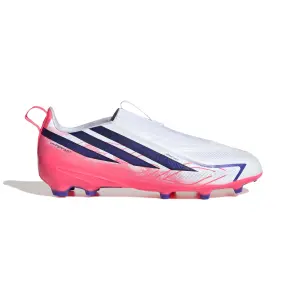
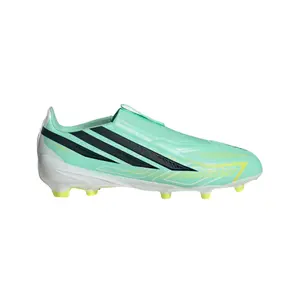
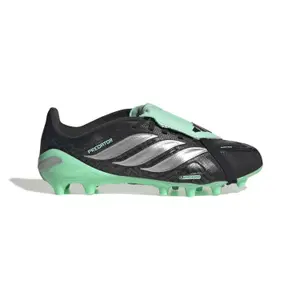
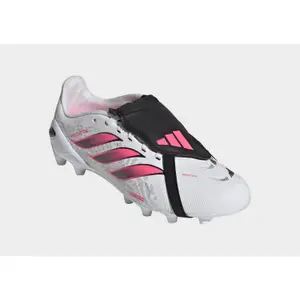
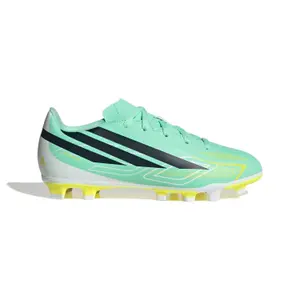
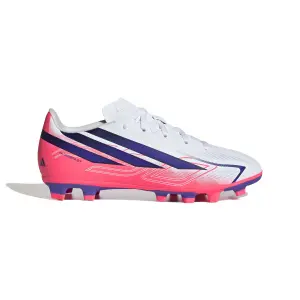
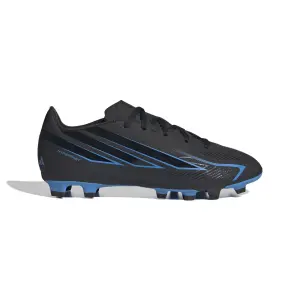
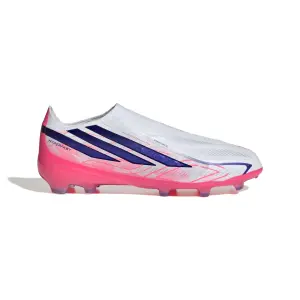
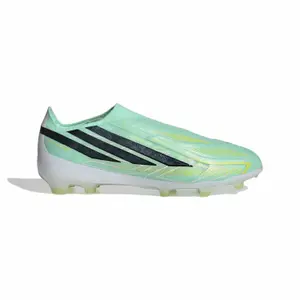
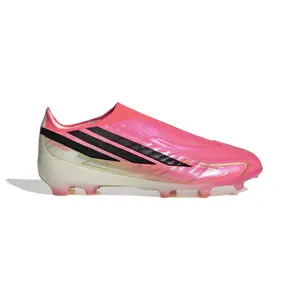
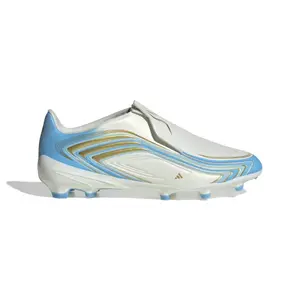
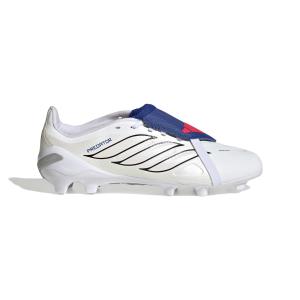
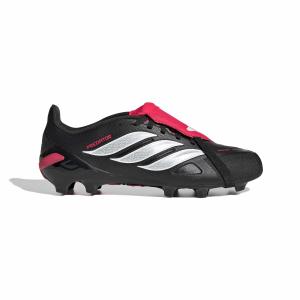
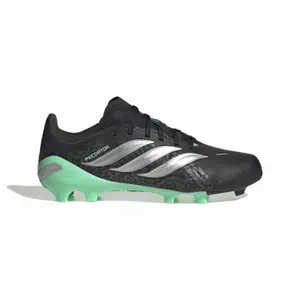

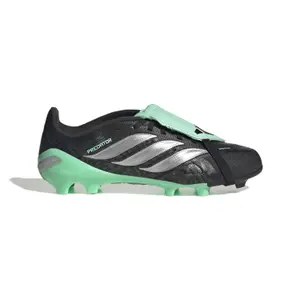
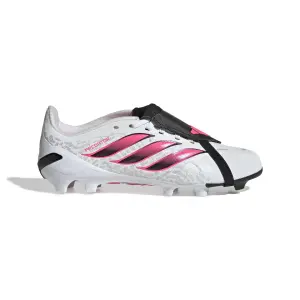
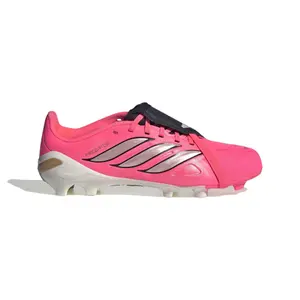
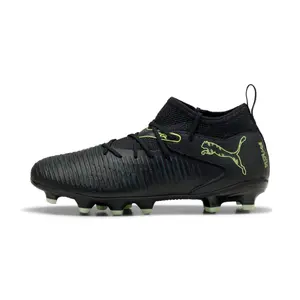
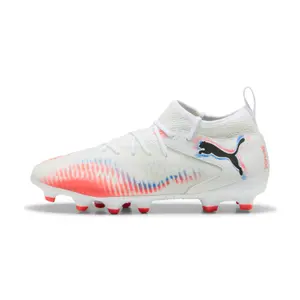
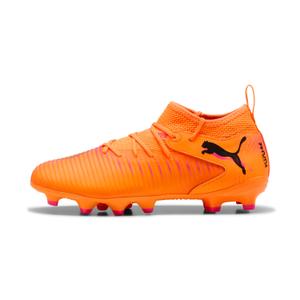
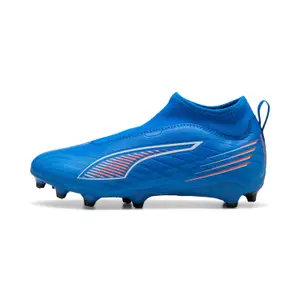
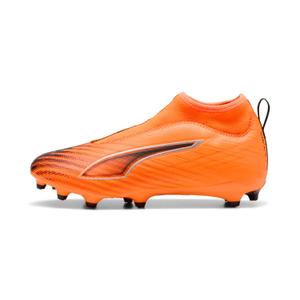
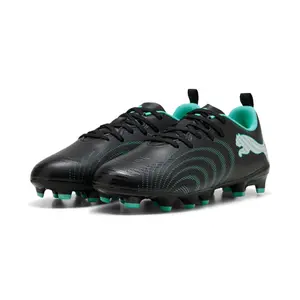
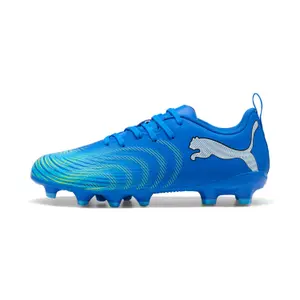
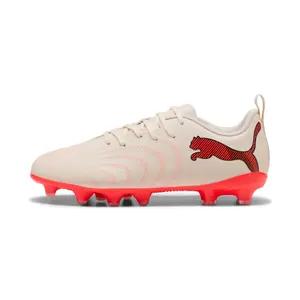
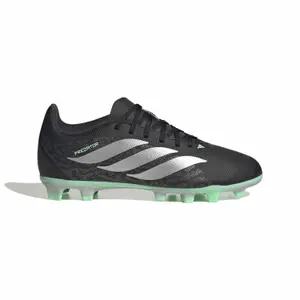

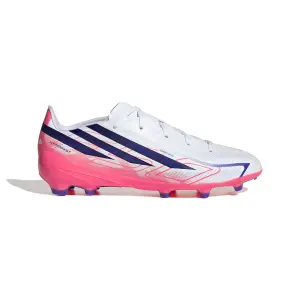
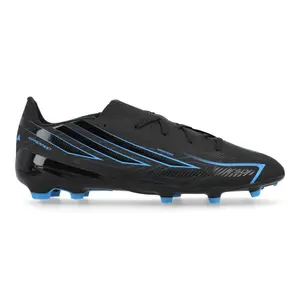
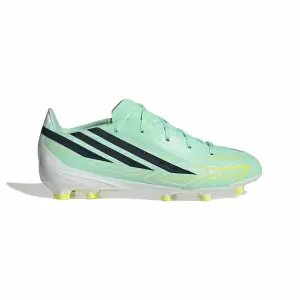
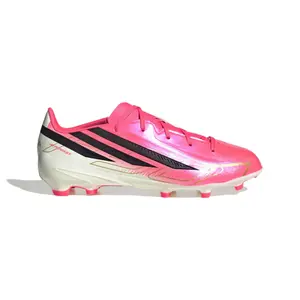

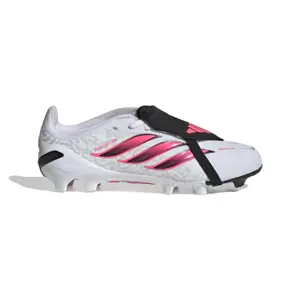
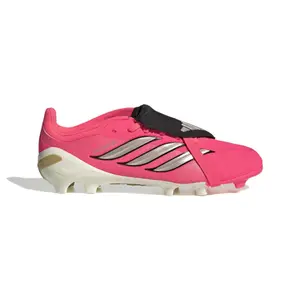
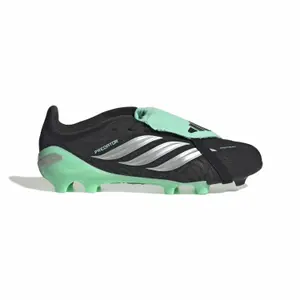


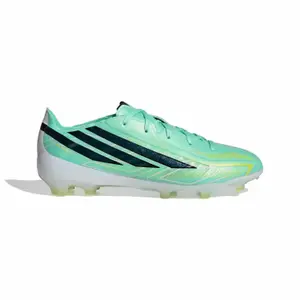


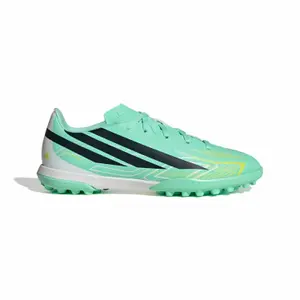
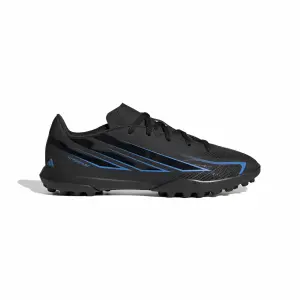

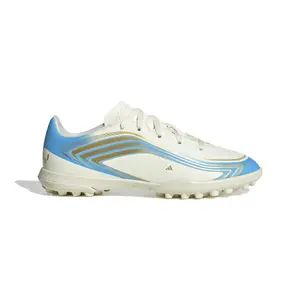
Junior Football Boots bring together studs and indoor shoes in children's sizes, from adidas, Puma, Nike, Mizuno, Jako or Hummel, with options ranging from Velcro models to signature versions of top players.
For a young player, the right shoe is one that fits well, is easy to slip on, and suits the playing surface.
Club or League: the right level for a child
Children's shoes take inspiration from adult models, such as Predator, F50, Future, or Phantom, but are adapted to their needs. The Club level, the entry-level option, features a thicker and softer upper, robust and comfortable from the very first session. The League level, or Academy from Nike, adds a finer upper and better ball touch for children who play regularly in clubs. The Elite levels are also available in children's sizes, like the F50 Messi Elite or the Predator Elite, but their finesse wears out quickly on feet that change size every season.
The signature versions, in the colours of Messi, Lamine Yamal, or Kylian Mbappé, maintain the basic model's design in the player's colours, much to the delight of young fans.
Velcro, laces, laceless or high-top
The youngest children gain independence with velcro models, labelled Vel by adidas, which can be fastened without help before practice. The laceless versions, labelled LL, slide on like a slipper thanks to their elastic upper, but require an exact size. The high-top versions, labelled Mid, wrap the ankle in an elastic sock that reassures children, without replacing proper support.
Classic laces remain the easiest to adjust for wider feet or high insteps, as soon as the child can tie them independently.
Sole, size and growth
The sole is chosen based on the playing surface: FG/MG for grass and newer synthetic surfaces, the most versatile for a child; AG or TF for synthetic and hard ground, common in football schools, and flat soles for indoors, like the F50 Club Indoor. Screw-in studs should be avoided for young categories, who rarely play on wet grass.
The shoe size should be checked at the end of the day, with match socks on, leaving about a centimetre of space in front of the toes. A size that's too big causes the foot to slide and leads to blisters, while a size that's too small compresses growing toes. Shin guards, which are mandatory, should be chosen at the same time and should match the length of the shin.
The juniors selection
Children's kits from clubs and national teams are on the junior teams page, and young goalkeepers' gloves are on the gloves page. Everything is gathered on the juniors page.
New arrivals and good deals
The new arrivals feature the latest models, the promotions showcase previous collections at reduced prices, and items shipped in 24h are prepared and dispatched within 24 hours. The good deals, clearance, sales, and Black Friday each have their own football page.
Frequently Asked Questions
What level should I choose for a children's football shoe?
The Club level, sturdy and soft, is suitable from the first session, and the League level, or Academy from Nike, provides a finer upper for children who play regularly in clubs. Elite options are available in children's sizes, but their fineness wears out quickly on growing feet.
What do Vel, LL, and Mid mean on a children's football shoe?
Vel refers to a velcro fastener, practical for the youngest children, at adidas. LL indicates a laceless version with an elastic upper, requiring an exact size, and Mid refers to a high-top version in elastic sock design, reassuring without replacing proper support.
What sole is suitable for a child playing on synthetic surfaces?
An AG or TF sole is suitable for synthetic and hard pitches, common in football schools, while FG/MG remains the most versatile between grass and newer synthetic surfaces. Screw-in studs should be avoided for young categories.
How much room should I leave in a children's football shoe?
About a centimetre in front of the toes, checked at the end of the day with match socks on. If the shoe is too big, it causes the foot to slide and leads to blisters; if too small, it compresses growing toes.
Are Messi or Mbappé's signature shoes different?
They maintain the basic model's structure, like the F50 for Messi, in the player's colours. The choice is primarily based on the level of quality and sole type, followed by the colour that will delight the young fan.






