
Goalkeeper shirts
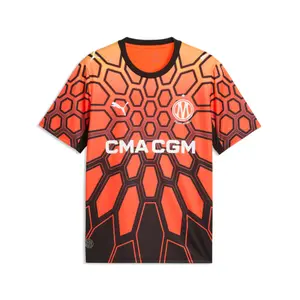
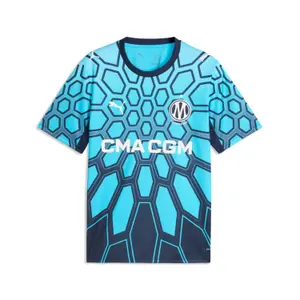
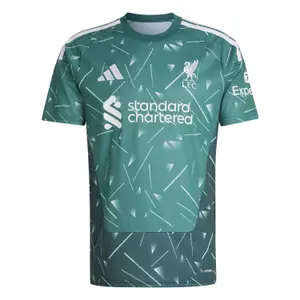


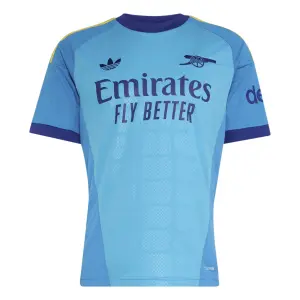
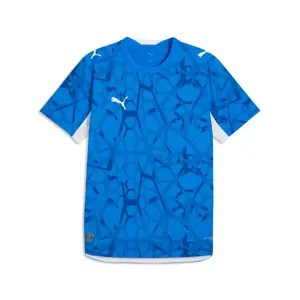
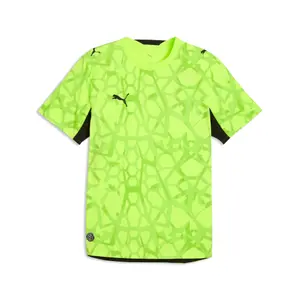
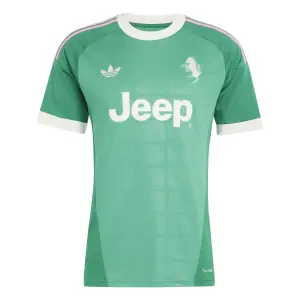
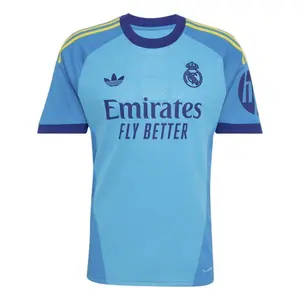


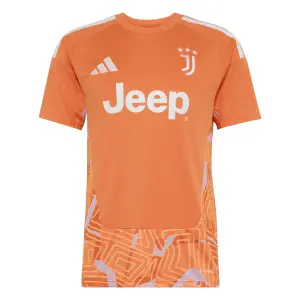
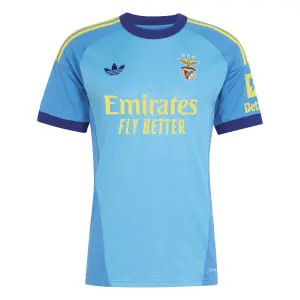
The goalkeeper shirts page brings together the kits of goalkeepers from clubs and national teams, OM, Liverpool, FC Barcelona, PSG, Spain, Germany or Croatia, and teamwear shirts Hummel, Macron, Uhlsport, Erima or Craft for amateur clubs. Long or short sleeves, padded or not, available in adult and kids' sizes for young goalkeepers.
The goalkeeper shirt follows a simple rule: stand out from everyone else.
A colour imposed by the laws of the game
Since 1909, goalkeepers have worn a different colour from their teammates: the rules only allowed scarlet, royal blue or white, before adding green in 1912, which became the classic shade for the position. Today, law 4 of the laws of the game requires goalkeepers to wear colours that distinguish them from other players and referees, leading to the rise of bright colours and graphic patterns.
Professional clubs thus offer several goalkeeper kits each year, to adapt to opponents' outfits. For an amateur club, two jerseys in contrasting shades, one fluorescent and one dark, cover nearly all situations. The Soviet Lev Yashin, the only goalkeeper awarded the Ballon d'Or in 1963, played in black, earning him the nickname Black Spider.
Long sleeves, elbow pads and materials
Many goalkeepers prefer long sleeves, which protect the forearms from burns on synthetic and hard pitches. Some teamwear models from Macron or Uhlsport include elbow padding, useful during repeated dives in training, when landings on the ground occur time after time.
Short sleeves, being cooler, are worn in summer, sometimes with a long-sleeved undershirt. The goalkeeper's jersey is also slightly looser than that of outfield players, allowing arms to extend fully during stretching saves and hand throw-outs, without the fabric pulling at the shoulders. A lightweight polyester mesh wicks away sweat during long waiting periods.
Clubs, national teams and archive jerseys
Goalkeeper jerseys from major clubs and national teams feature the graphic codes of players' kits in a colour specific to the position. Those from Spain, Germany, or Croatia for the World Cup, or those from Liverpool, FC Barcelona, PSG and OM, allow a young goalkeeper to wear the kit of their idol, often in a children's version with long sleeves.
Archive jerseys recall the great moments of the position: Denmark in 1992, crowned champion of Europe, and the Hummel kit with multicoloured patterns worn by Peter Schmeichel, hero of the penalty shootout in the semi-final against the Netherlands, and then in the final won against Germany.
Size, care and complete equipment
The goalkeeper's jersey is taken in the usual size, or one size up to slip in a thermal underlayer or protective gear underneath when winter arrives. It should be washed inside out at thirty degrees, without fabric softener, which can clog technical fibres, after pre-treating any dirt and grass stains; the padding should then air dry, never on a radiator, which would harden the foam.
Gloves, technical underwear, padded shorts and trousers, protective gear and complete kits can be found on the goalkeepers page.
New arrivals and good deals
The new arrivals showcase the latest models, the promotions feature previous collections at discounted prices, and articles shipped in 24h are prepared and sent within 24 hours. The good deals, clearance, sales and the Black Friday all have their football page.
Frequently asked questions
Why does the goalkeeper often wear the number one?
Numbers were originally assigned based on positions, from the goal towards the attack, and the starting goalkeeper inherited the number one. This tradition remains, even if fixed numbers now allow substitute goalkeepers to wear sixteen, twenty-three or thirty.
What goalkeeper kit for a beginner child?
A long-sleeved jersey, chosen according to the child's size, protects the arms during their first dives without hindering movement. A simple teamwear model is sufficient for training, while the kit of the preferred goalkeeper serves mainly for enjoyment.
Why do goalkeeper kits have such bright patterns?
Bright colours and patterns make the goalkeeper more visible to their defenders and, according to some coaches, visually enlarge their silhouette in front of the shooter. They also allow equipment manufacturers to stand out in a position where colour is free.
Should the name be printed on a goalkeeper's jersey?
In amateur clubs, only the number is generally requested on the back. A printed name personalises a young goalkeeper's jersey; choose a lettering colour that contrasts well with the bright shade of the jersey so it remains legible.
Is the goalkeeper's jersey worn tucked into the shorts?
The regulations impose nothing, but a tucked-in jersey does not ride up during dives and does not interfere with ball handling at the stomach level. A fitted cut at the waist also prevents the fabric from flapping during aerial duels.






