
Ligue 1 club jerseys


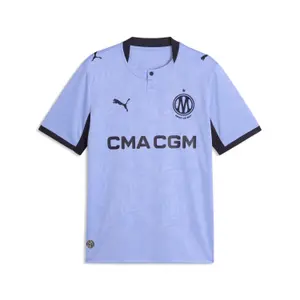
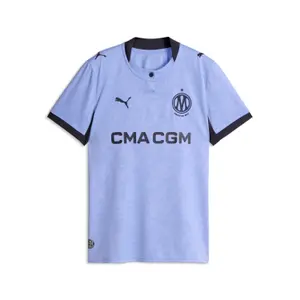

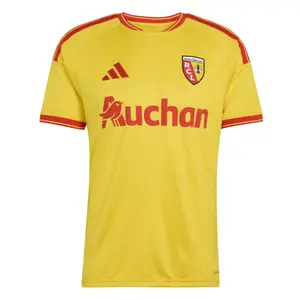


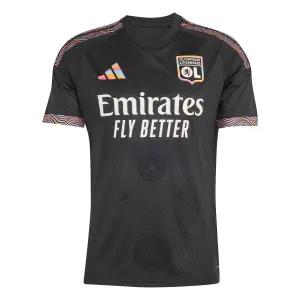
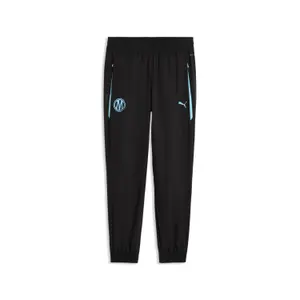
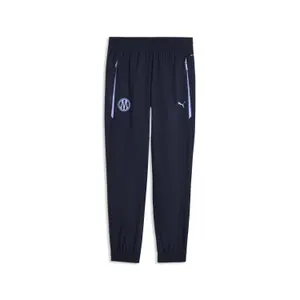
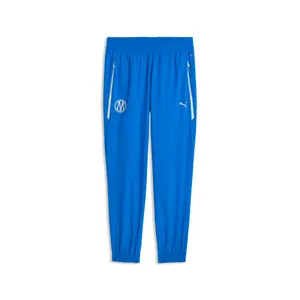
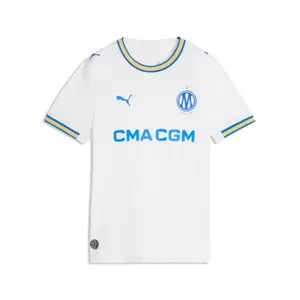

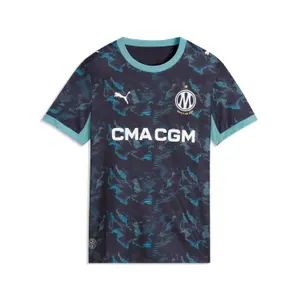
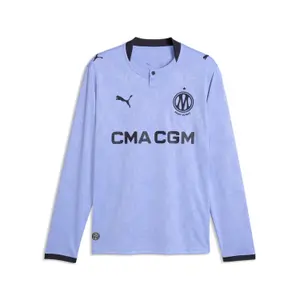
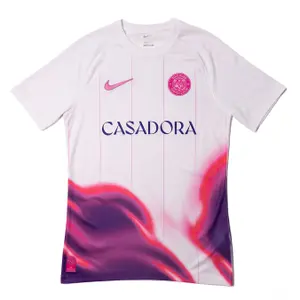


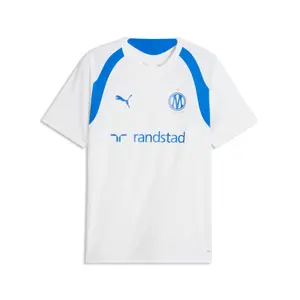
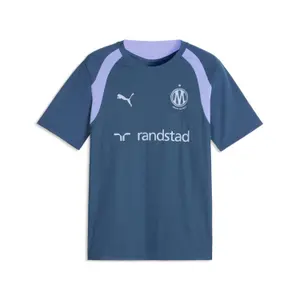
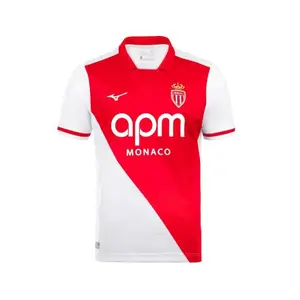
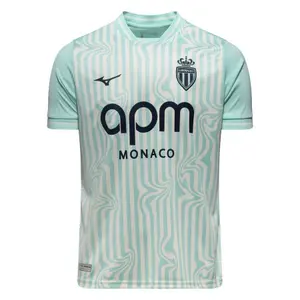
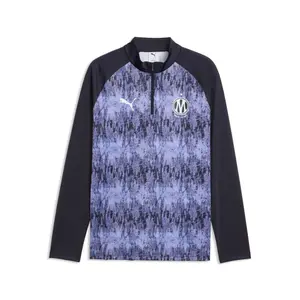
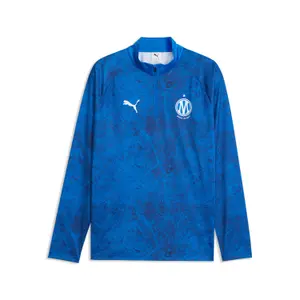
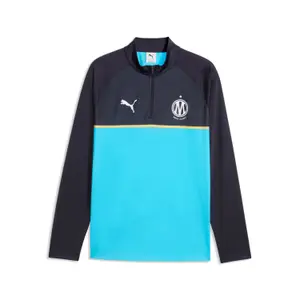
The Ligue 1 page showcases the jerseys of the clubs from the French championship: Olympique de Marseille, Olympique Lyonnais, RC Lens, Stade Rennais, OGC Nice, FC Nantes or RC Strasbourg, in home, away and third versions. These are outfits to wear at the stadium, to give as a gift or to have printed with a name of a player, from the youngest supporter to the adult.
Each club has its own colours and history, which its jerseys tell season after season.
Club Colours: Where Do They Come From
The colours of the championship jerseys often tell the story of a city. The RC Lens has played in blood and gold since 1923: its president at the time, René Moglia, was inspired by the colours of Spain, which occupied Artois in the 16th and 17th centuries, although many also see it as the blood of the miners and the gold of coal. The red and black of Stade Rennais comes from the Rennes Football Club, which merged with the club in 1904. OGC Nice adopted the same duo in 1919, inherited from the Gallia Club, with which it had just merged.
In Marseille, the white highlighted with sky blue has dressed OM since its beginnings, while the white crossed with red and blue of OL is easily recognised in the stands as well as on television.
Stars, Mottos and Champion Badges
Some jerseys showcase their achievements. The Olympique de Marseille has worn a star above its badge since its victory in the Champions League in 1993, the first for a French club, summed up by the phrase "Forever the first." In 2025, Paris Saint-Germain became the second French club to win the contest. Lyon remembers its seven consecutive titles of champion of France from 2002 to 2008.
On the sleeve, the title holder wears a customised champion badge, featuring the name of the club and the year of the victory around the competition logo. The championship has been called Ligue 1 since 2002; previously, it was known as Division 1, during which the Verts of Saint-Étienne held the record for the most titles for a long time.
Supporter or Authentic Jerseys: What Size to Choose
A club jersey comes in two cuts. The supporter version, made of thicker fabric, falls straight and should be chosen in the usual size: it is worn at the stadium, daily, or over a warm base layer when winter arrives. The authentic version, identical to the players', uses a finer and more breathable fabric, cut close to the body for performance: many supporters opt for a size up to wear it off the pitch.
Children's jerseys follow the supporter cut and should be chosen based on height in centimeters rather than age, which is a more reliable measure from one child to another. A slight allowance is provided to wear it longer without the printing becoming misshapen on overly stretched fabric.
Jerseys by Club
Every club has its page:
- Paris Saint-Germain, the club of the capital.
- Olympique Lyonnais, OL and its seven consecutive titles.
- Olympique de Marseille, OM and its star from 1993.
- AS Monaco, the club from the Principality.
- Lille OSC, LOSC and its mastiffs.
- Stade Rennais FC, the Breton red and black.
- AS Saint-Étienne, the Verts.
- Girondins de Bordeaux, the scapular on the jersey.
- Nantes FC, the Canaries.
- Strasbourg RC, the Alsatian club.
- FC Metz, the Lorraine club.
- RC Lens, blood and gold.
- Other clubs, the other teams in the championship.
The other championships are gathered on the pages Premier League, La Liga, Serie A and Bundesliga, the selections in the national teams, and the historic jerseys in the vintage and other clubs. The complete list is on the teams page.
Printing, Washing and Storing the Jersey
The printing of a name and number is done by heat transfer, using the official letters and numbers of the championship. To ensure it lasts, the jersey should be washed inside out, at a maximum of thirty degrees, without fabric softener, which weakens the adhesive, and never put in the dryer. An iron should never be placed directly on the letters, badge, or sleeve patch.
A collection jersey should be hung on a wide hanger, kept away from light that can fade the colours, or folded with a sheet of tissue paper between the layers of printing to prevent them from sticking together. Keeping the original tag and not wearing it maintains its value for collectors.
New Arrivals and Good Deals
The new arrivals feature the latest models, the promotions offer previous collections at reduced prices, and the items shipped in 24 hours are prepared and sent within 24 hours. The good deals, clearance sales, sales and Black Friday have their football page, in line with the Black Friday, the holiday season, winter sales and the French Days.
Frequently Asked Questions
Why is FC Nantes called the Canaries?
Their players wear yellow and green, and this bright yellow, reminiscent of the bird's plumage, has earned them the nickname Canaries. Founded in 1943, the club has made this colour the heart of its home jersey and its entire identity.
Why do clubs change their jersey every year?
Clubs and their kit suppliers, like adidas for OL or Nike for PSG, usually unveil new kits every summer before the season begins. The home jersey stays true to the historic colours, while the other kits are allowed more creativity in their design.
What is a third jersey?
It's a backup kit used when neither the home nor away jerseys are sufficiently distinguishable from the opponents' colours. More free in its design, it often pays tribute to the city or a former jersey, and quickly becomes a sought-after piece.
Why does Saint-Étienne play in green?
The club was founded in 1919 within the social club of Casino store employees, founded by Geoffroy Guichard, whose colour was green. The Sainte stadium carries his name, and the players have remained the Verts.
Why does OL have a lion on its badge?
The lion has appeared on the coat of arms of the city of Lyon for centuries, and the club has adopted it on its crest. It regularly appears on the jerseys, as a subtle pattern in the fabric or as a nod on the away kit.






