
Football boots
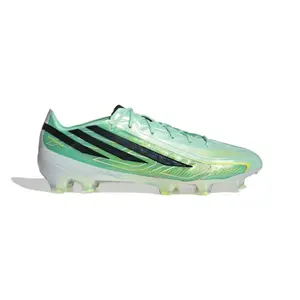
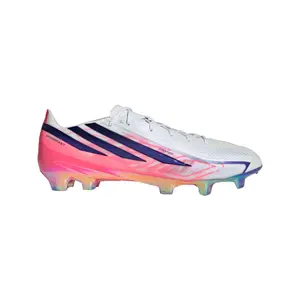
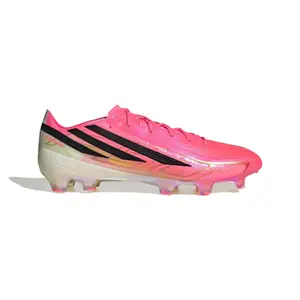
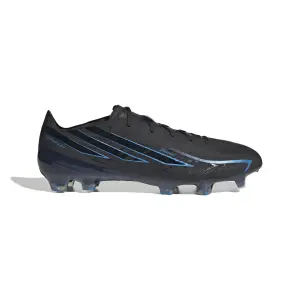
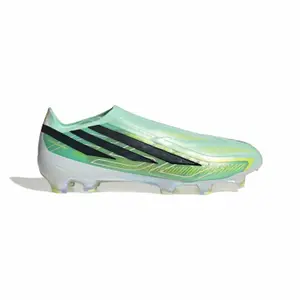
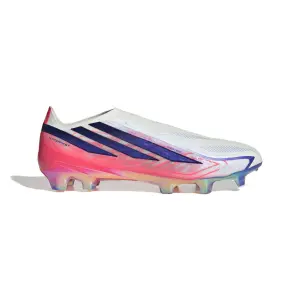
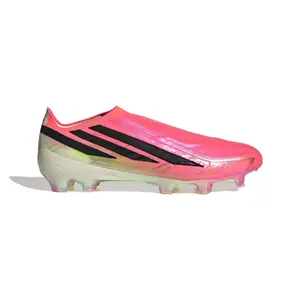
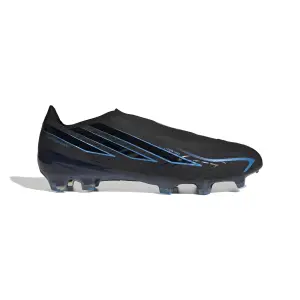
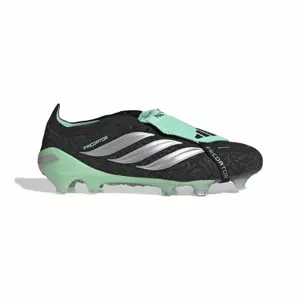
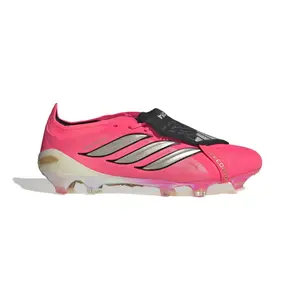
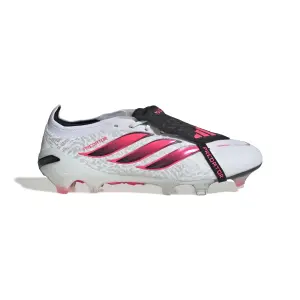
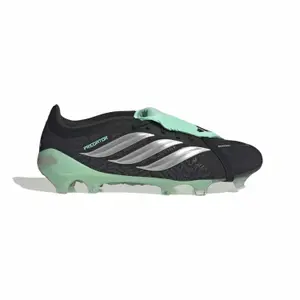
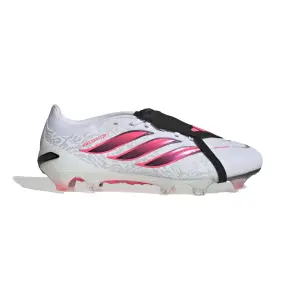
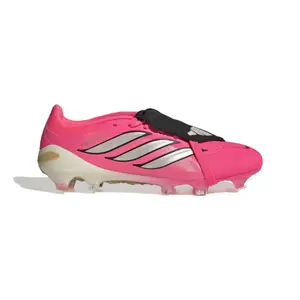
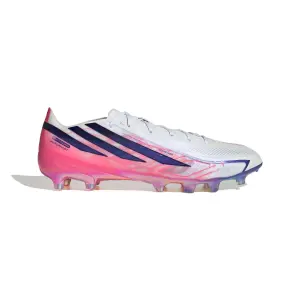
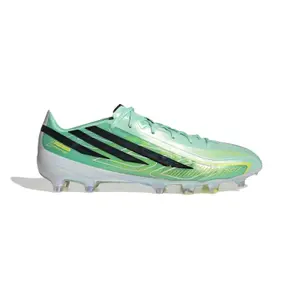
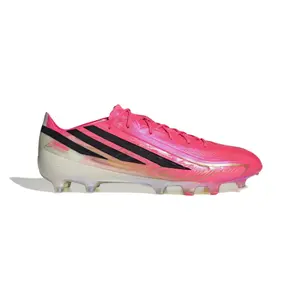
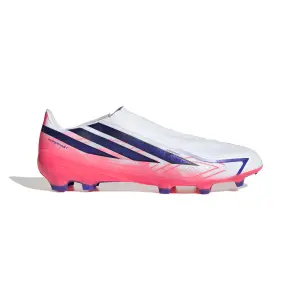
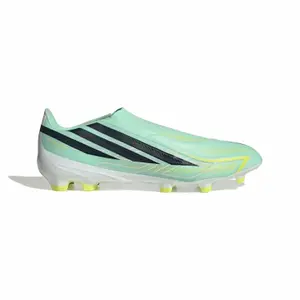
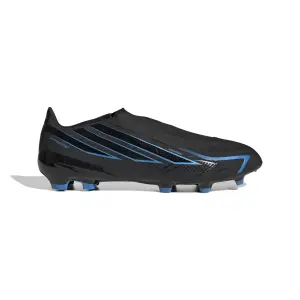
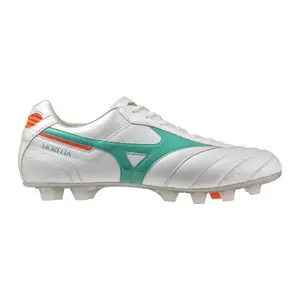
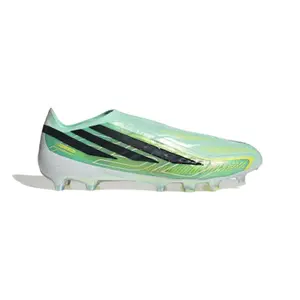
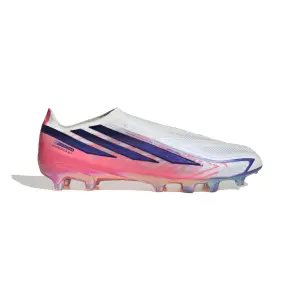
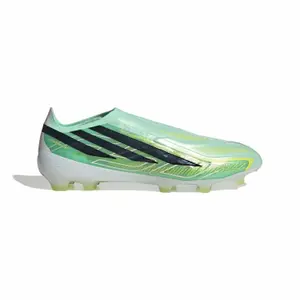
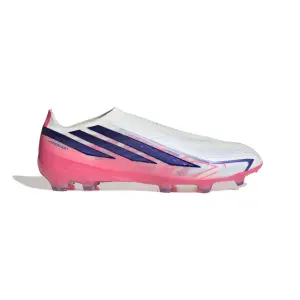
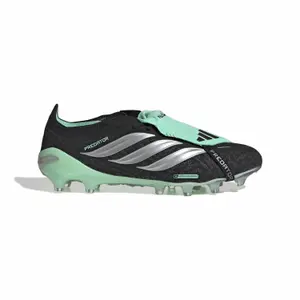
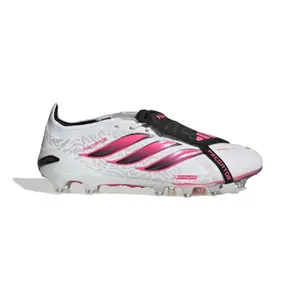
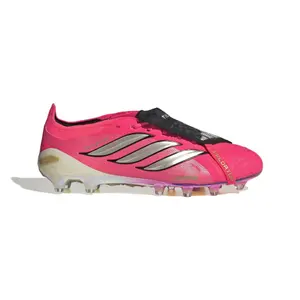
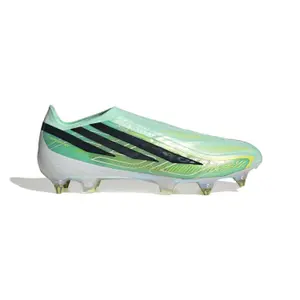
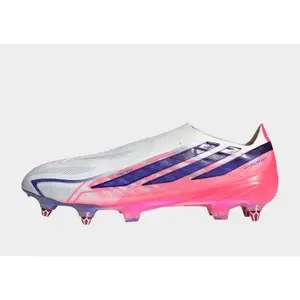
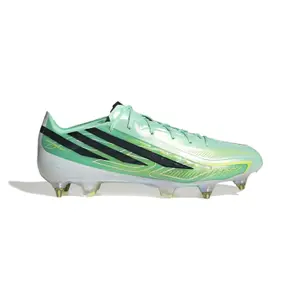
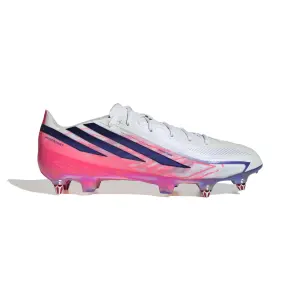
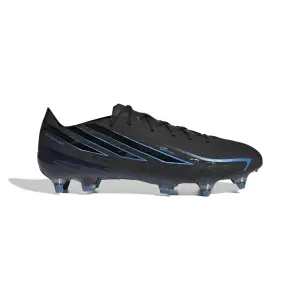
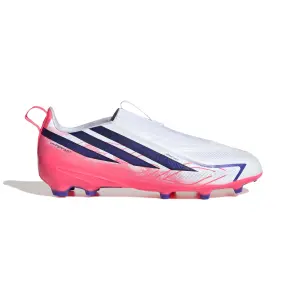
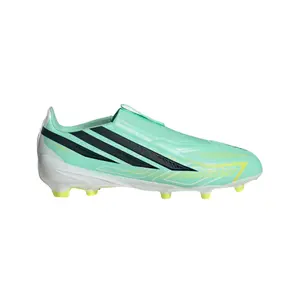
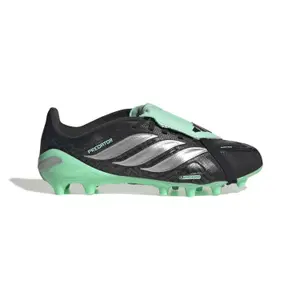
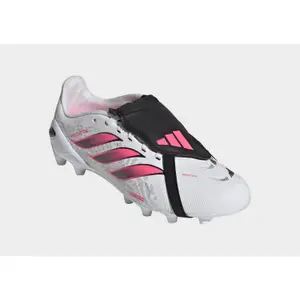
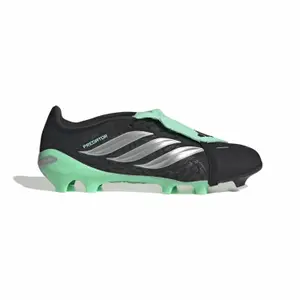
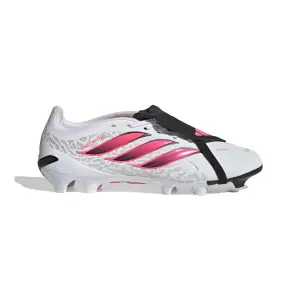
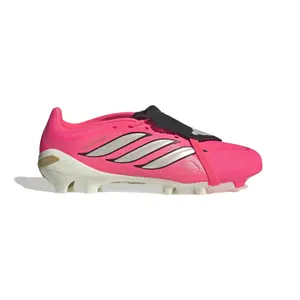
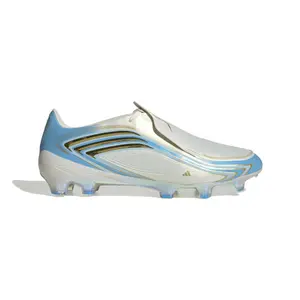
Football Boots bring together the studs and shoes for futsal from adidas, Nike, Puma, Mizuno and Joma, from the Elite worn by professionals to entry-level models and children's sizes.
Silo, range level, lacing and sole: four choices are enough to find the right pair.
Predator and F50: two silos, two styles
Brands organize their shoes into silos, families designed each for a player's profile. At adidas, the Predator is the shoe for control and striking. Its current generation features rubber fins on the upper, called Strikeskin, which grip the ball in striking areas to provide spin and precision. It comes with a fold-over tongue, a historical signature of the range, marked by the FT notation for fold-over tongue, available with classic laces or laceless.
The F50, returning in 2024 after several years' absence, is the speed shoe. Its fine and lightweight upper hugs the foot for direct ball contact, and its sole is designed for acceleration. The Messi versions carry the same construction with the player’s colourways. At Nike, the Mercurial Superfly occupies the same place, with its sock-like high upper, while the Mizuno Morelia, launched in 1985, continues a tradition of soft kangaroo leather, favoured by players who prioritise comfort.
Elite, Pro, League, Club: range levels
Each silo exists in several levels, sharing the design but not the manufacturing. The Elite level is for professionals: the thinnest and most technical upper, lightweight and stiff sole, very precise fit. The Pro level retains much of these features with slightly less expensive materials. The League level targets the regular club player, featuring a thicker and more forgiving upper, and a more versatile sole. The Club level, finally, is the entry-level option, sturdy and accessible.
The highest level is not always the best choice. An Elite, which is very thin, wears out quicker and is less forgiving of an approximate size, whereas a League offers more comfort for two training sessions a week. For a growing player, who changes size every season, a League or Club level is often the most reasonable choice.
Laces or laceless
The laceless versions, marked LL for laceless, replace lacing with an elastic mesh upper that wraps around the foot. They provide a smooth striking surface, without relief, and uniform support, but require an exact size: a foot that floats in a laceless shoe cannot be tightened. They are suitable for slim and regular-footed players.
The laced versions remain the easiest to adjust, especially for wide or high-arched feet, and the fold-over tongue of the Predator covers the laces to smooth the striking area. When in doubt, a laced pair remains the safest choice.
Choosing your sole and size
The sole is chosen based on the surface you play on the most. The FG is suitable for dry natural grass, the FG/MG version also adapts to recent synthetic pitches, the AG is designed for synthetic turf, with more numerous and shorter studs, the TF for hard surfaces and five-a-side football, and the IN, flat, for indoor futsal. Regularly playing on synthetic with an FG sole wears out the studs and puts strain on the knees.
For size, a football shoe should fit snugly, with about half a centimetre of space in front of the toes for adults, a bit more for children. It should be tried on at the end of the day, with match socks. Synthetic uppers hardly stretch, while leather stretches a bit in width but never in length.
Shoes by brand and futsal
The selection is organized by brand and usage:
- adidas, with the Predator and F50 silos at all range levels.
- Nike, with the Mercurial, Phantom and Tiempo.
- Puma, with the Future and Ultra.
- Mizuno, with the Morelia and its leather uppers.
- Joma, for robust and accessible shoes.
- Futsal, shoes with flat soles for indoors.
Younger players find their sizes in the juniors, goalkeepers their gloves in the goalkeepers category, and teams, flockings, training kits, teamwear and equipment complete the universe, all gathered on the football page.
New arrivals and great deals
The new arrivals showcase the latest models, the promos include previous generations at reduced prices, and items shipped in 24h are prepared and dispatched within 24 hours. The great deals, clearance sales, sales and Black Friday have their own football page, and the major events of the year follow one another from Black Friday to the end-of-year festivities, through winter sales to the French Days of spring.
Frequently asked questions
What football shoes for synthetic pitches?
An AG sole, with more numerous and shorter studs, is designed for synthetic surfaces, while the FG/MG adapts to recent synthetics as well as grass. Regularly playing FG on synthetic wears out the studs and strains the knees. The TF is suitable for hard surfaces and five-a-side football.
Do you need to buy the Elite level to play well?
Not necessarily. The Elite, with its very thin upper, wears out faster and is less forgiving of an approximate size. A League, which is thicker and more forgiving, provides more comfort for two training sessions a week, making it a reasonable choice for a growing player.
How much space should be left in front of the toes in football shoes?
About half a centimetre for adults, a bit more for children: football shoes should fit snugly. Try them on at the end of the day with match socks. A synthetic upper hardly stretches, while leather stretches a bit in width, but never in length.
Predator or F50: which adidas shoe suits your style of play?
The Predator is for control and striking, with its Strikeskin fins gripping the ball and its fold-over tongue on the FT versions. The F50, returning in 2024, is the speed shoe: a fine upper hugging the foot and a sole designed for acceleration.
What shoe to wear for futsal or indoors?
A flat-soled IN shoe, made of rubber, that grips the indoor floors. Studs, even short ones, are not suitable for indoor play: they slide on the surface and damage it. Futsal models can be identified by the IN notation.






