
Road Bike Wheels and Tyres


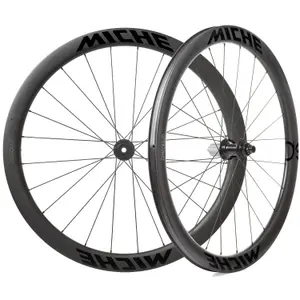

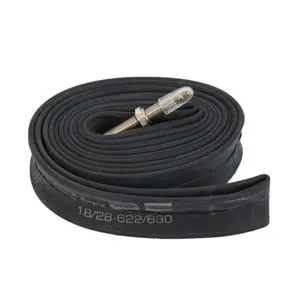
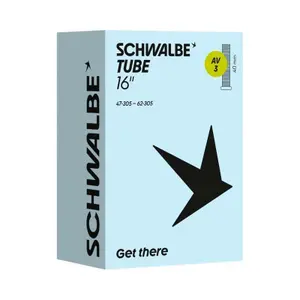


The road bike wheels and tyres are gathered here with inner tubes, tire levers and pumps: tube or tubeless tyres from 23 to 32 millimetres, butyl or TPU inner tubes, from Schwalbe, Michelin, Vittoria, Hutchinson or Tubolito. This is all about improving performance for racing, comfort for long rides, or reliability for winter training.
The tyre is the first component to change for a boost in speed, comfort and safety.
Tire width: why 28 millimetres has become the standard
Road tires have significantly widened. The 23 millimetres inflated very hard, still offered in Michelin Dynamic Sport for older frames, has given way to the 28 millimetres, which has become common on recent racing bikes: at lower pressure, it conforms to the terrain rather than bouncing and loses less energy on real roads.
The effective width depends on the rim: a tire mounted on a rim with a wide inner section inflates one to two millimetres more than its rating. Before switching to 30 or 32, check the clearance of the frame and fork, which should leave a few millimetres on each side.
Inner tube, tubeless or tubular: three setups
The tube tire remains the simplest: a puncture can be fixed in a few minutes at the roadside. The tubeless, like the Schwalbe One Addix in tubeless ready version, is fitted without a tube on a tubeless rim, with a sealant that plugs small punctures; it allows for lower pressure without the risk of pinch flats. The tubular, which has the tube sewn into the casing, is glued onto a specific rim and remains popular with racers for its performance in case of a puncture.
On a hookless rim, the pressure must not exceed 5 bars, a limit set by the standard.
Butyl or TPU tubes
The butyl tube, black and stretchy, retains pressure well and can be repaired with a standard patch; it is chosen to match the tire width, for example, a tube of 32 to 40 millimetres for wide tires. The TPU tube, made from thermoplastic polyurethane, weighs two to three times less and folds into a tiny space, ideal as a backup in a jersey pocket. The Tubolito, in orange, is the most well-known example.
In all cases, the Presta valve must protrude sufficiently from the rim: a valve of 60 or 80 millimetres is required for high carbon rims.
The selection
The page is organized by type:
The road bike is complemented with bikes, drivetrain, brakes, components, gear, on the road page.
Pump, pressure and winter tires
Pressure is set according to the width of the tire and the weight of the cyclist, between the values on the sidewall: a 28 millimetre tire inflates much less than a 23, and the front, being less loaded, a bit less than the rear. A floor pump with an accurate gauge, equipped with a Presta compatible head, is used before each ride; a mini pump or a gas cartridge can help out on the road.
In winter, a tire with puncture protection, like the Schwalbe One Raceguard, offers better protection against flints and debris that rain washes to the side of the roads.
Frequently asked questions
How do I repair a punctured tubeless tire on the road?
A small puncture seals itself thanks to the sealant by spinning the wheel. For a larger hole, insert a plug with its tool, then reinflate; as a last resort, a spare inner tube can be fitted inside the tire.
When should I replace a road bike tire?
Replace it when its tread flattens in the centre, when deep cuts appear or when the casing becomes visible. On many models, small indicator holes disappear with wear.
How long does tubeless sealant last?
It gradually dries out in the tire and typically needs replacing every three to six months, more often in hot weather. A tire that no longer seals small punctures indicates that it’s time to add more sealant.
How do I fit a tubular tire onto a rim?
First, stretch the tubular onto a rim overnight, then glue the rim and base tape in several thin layers. Once centred, it needs to dry for at least a day before riding; a double-sided tape speeds up the process.
Why is my road tire losing air without a puncture?
Any butyl tube lets a bit of air through, and a road tire loses some pressure within a week. A poorly tightened valve or a loose valve core increases the leak; therefore, always check the pressure before each ride.






